Vehicle identified
Open the permanent record to add ownership and photographs.
PetrolJunky is a VIN decoder and vehicle registry for collector cars that span manufacturer-specific chassis systems, American pre-1981 VINs and the modern 17-character standard. One search box routes each identifier to the appropriate reviewed decoder.
Decode classic BMW 1500, Neue Klasse and 02 Series chassis numbers or modern 17-character BMW VINs, then explore the PetrolJunky BMW registry.
Open decoder guide →Decode supported classic Porsche 911, 912, 914, 924, 928 and 930 chassis formats through 1980, plus modern 17-character Porsche VINs.
Open decoder guide →Decode classic Volkswagen Beetle, Bus, Karmann Ghia, Type 3, Thing and Type 4 chassis numbers with automatic year and model-family recognition.
Open decoder guide →Decode classic Mercedes-Benz chassis numbers including W113, W108/W109, W114/W115, R107, W116, W123 and selected earlier or later models.
Open decoder guide → 1949–1980 reviewed classic coverageDecode MG TD, TF, MGA, Midget, MGB, MGC and MGB GT V8 chassis numbers, then connect the result to a permanent PetrolJunky registry record.
Open decoder guide → 1963–1978 first-wave classic coverageDecode classic Datsun 240Z, 260Z, 280Z, Roadster and 510 chassis numbers, then connect each car to the PetrolJunky VIN registry.
Open decoder guide → 1953–1976Decode classic Triumph TR commission numbers from TR2 through TR6 and connect the car to the PetrolJunky vehicle registry.
Open decoder guide → 1953–1967Decode Austin-Healey 100, 100-6 and 3000 chassis numbers from BN1 through BJ8 and connect the car to the PetrolJunky registry.
Open decoder guide → 1949–1974Decode Jaguar XK, E-Type, Mark I/II and early XJ chassis numbers and connect the vehicle to the PetrolJunky registry.
Open decoder guide → 1962–1993Decode Alfa Romeo 105/115 type and chassis identifiers for classic Giulia, GTV, Spider, Berlina and Montreal models.
Open decoder guide → 1960–2002Decode collector Toyota frame numbers including Land Cruiser, Celica, Supra, AE86 and MR2 families, while routing standard 17-character VINs to NHTSA.
Open decoder guide → 1968–1989Decode selected classic Ferrari and Dino factory type codes with serial ranges, while refusing to guess from an ambiguous bare Ferrari serial number.
Open decoder guide → 1964½–1980Decode 1964½ through 1980 Ford Mustang VINs, including body, engine, assembly plant and model year, then connect the car to the PetrolJunky registry.
Open decoder guide → 1925–1942, 1946–1980 reviewed U.S. systemsDecode reviewed 1925–1980 classic Chevrolet car, Corvette, Corvair, Nova, Chevelle, Camaro, El Camino, truck, van and Blazer serial/VIN systems.
Open decoder guide → 1968–1974Decode selected 1968–1974 Dodge performance-car VINs, including Charger, Challenger and Super Bee model, body, engine, year, plant and sequence information.
Open decoder guide → 1968–1974Decode selected 1968–1974 Plymouth Barracuda, Cuda, Road Runner and GTX VINs using the original Chrysler thirteen-character structure.
Open decoder guide →Classic vehicle identification did not follow one universal standard. PetrolJunky keeps manufacturer-specific rules behind a single search field: European chassis and commission numbers, Japanese frame codes, Ferrari factory types, Ford Mustang eleven-character VINs, Chevrolet thirteen-character VINs and Chrysler Corporation muscle-car VINs can all coexist without forcing a visitor through make, model or year dropdowns.
American VINs often encode year, body, plant and engine directly, but they do not prove every desirable option package. PetrolJunky identifies what the VIN supports and explicitly avoids converting a base body code into an unsupported Boss, SS, Superbird, Daytona or similar claim. The same conservative rule applies to rare European variants.
Decoded vehicles can accumulate photographs, ownership history, sale status and community documentation while preserving the distinction between sourced VIN facts and owner-submitted provenance. This turns search traffic into a permanent historical record for the individual chassis.
The directory now includes BMW, Porsche, Volkswagen, Mercedes-Benz, MG, Datsun/Nissan, Triumph, Austin-Healey, Jaguar, Alfa Romeo, Toyota, Ferrari, Ford Mustang, Chevrolet, Dodge and Plymouth plus modern 17-character VIN decoding. Model pages are added when the identification rules provide real collector value rather than as thin keyword variations.
Yes. Classic manufacturers used many chassis-number formats before the standardized 17-character VIN. PetrolJunky applies manufacturer-specific rules and reviewed production ranges instead of rejecting every short identifier.
No. Decoder facts can be looked up by the exact VIN, while ownership profiles, garage visibility and linked photographs remain subject to the owner or contributor privacy choices built into PetrolJunky.
Some classic chassis numbers identify a model or production sequence without encoding an exact model year. PetrolJunky reports the strongest supported fact rather than turning a broad production span into a made-up exact year.
Decoder facts stay tied to the exact VIN or chassis number while owners decide what history and photographs to share publicly.
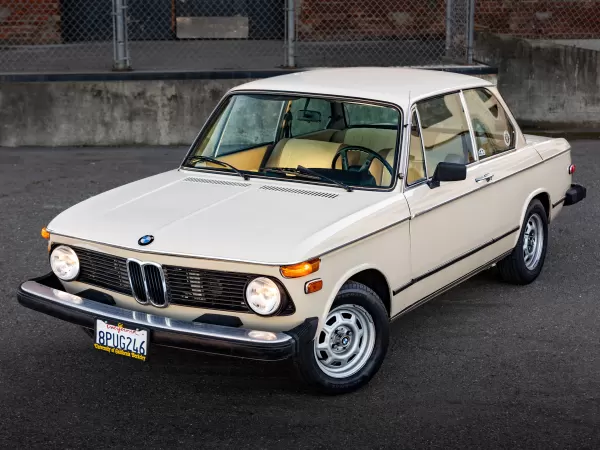
VIN 2742892
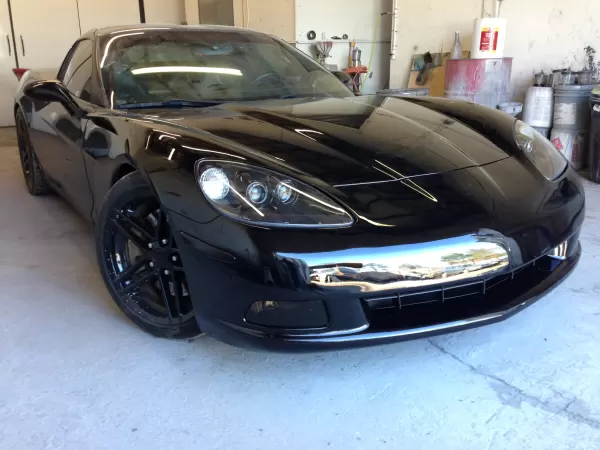
VIN 1G1YY26U975104204
VIN 2589836
VIN 2588898
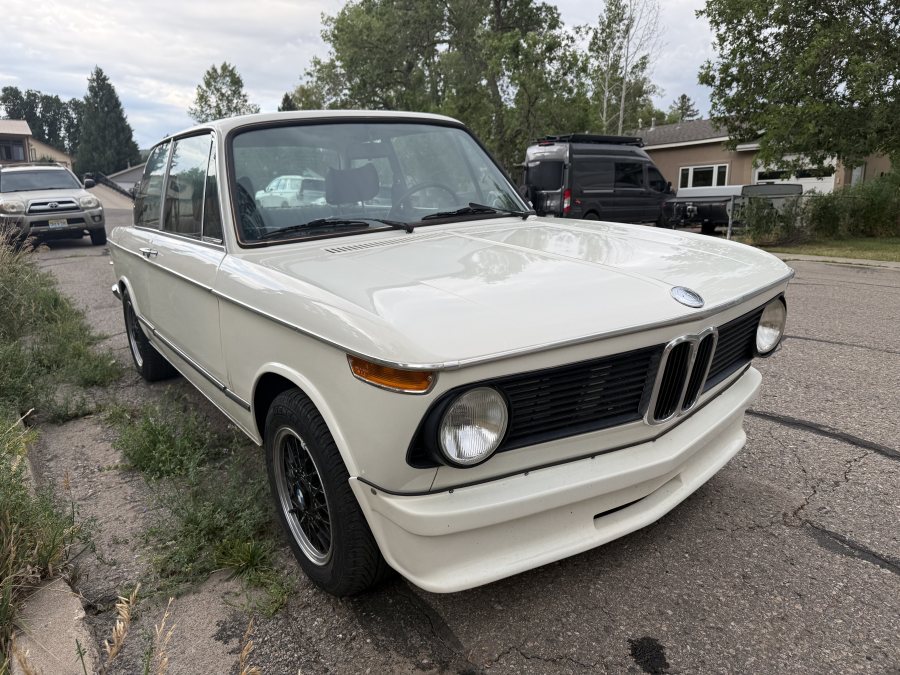
VIN 2373299